
Microbiology
Respiratory panel (nasopharyngeal swab)
A swab in the nose that identifies flu, RSV, coronavirus and other respiratory viruses in a single pass.
Updated on December 3, 2025

What is this test for?
A swab is rubbed in the back of the nose and analysed by multiplex PCR. A single reaction searches simultaneously for influenza A and B, RSV, SARS-CoV-2, rhinovirus, metapneumovirus and others.
Identifying the virus changes management: confirmed flu can be treated with an antiviral within 48 hours, RSV in an infant needs monitoring, and a viral cause spares an unnecessary antibiotic.
- Flu epidemic under way, suggestive symptoms for less than 48 hours.
- Infant, person over 65, person who is immunosuppressed.
- Pregnant woman, person living in an institution.
- Pneumonia: identifying the virus steers the care.
How to prepare
Do not blow your nose and do not use a nasal spray in the 30 minutes before the swab: excess mucus dilutes the sample.
The swab is unpleasant but quick, a few seconds per nostril. The result is reported in 24 hours, and within hours in a hospital emergency.
Reading your results
A negative result excludes nothing entirely: the panel does not test for every respiratory virus, and a swab taken too early or too late can be negative.
| Result | Usual management |
|---|---|
| Influenza A or B | Antiviral possible within 48 hours |
| RSV | Close monitoring in infants and older people |
| SARS-CoV-2 | Isolation measures according to the situation |
| Rhinovirus, metapneumovirus | Symptomatic treatment, no antibiotic |
| Negative | Not excluded: depends on timing and the clinical picture |
Related tests
 Biochemistry
C-reactive protein (CRP)
The most widely used marker for detecting inflammation and for following its course during treatment.
5 min
Learn more
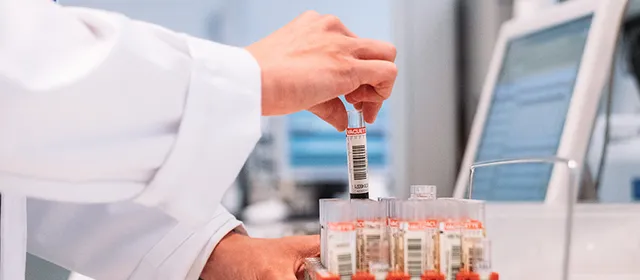 Haematology
Full blood count (FBC)
Red cells, white cells and platelets in a single sample: the first reflection of your general health.
5 min
Learn more
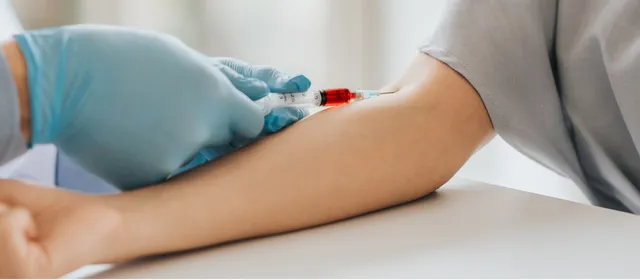 Microbiology
Blood cultures
The sample that grows the bacteria in your blood: the decisive test in severe fever.
15 min
Learn more