
Haematology
Full blood count (FBC)
Red cells, white cells and platelets in a single sample: the first reflection of your general health.
Updated on November 4, 2025
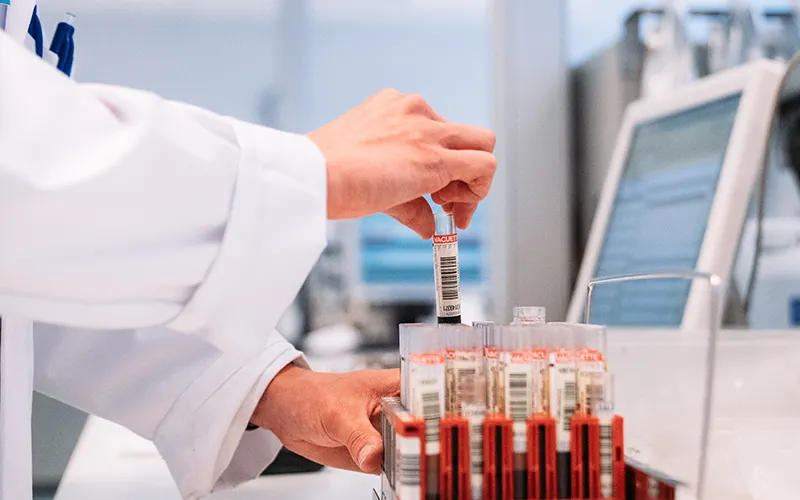
What is this test for?
The full blood count counts and measures the three main families of blood cells: red cells (erythrocytes), which carry oxygen; white cells (leukocytes), which defend the body; and platelets, which take part in clotting.
Haemoglobin and haematocrit quantify the blood’s oxygen-carrying capacity. MCV, MCHC and MCH describe the size and haemoglobin content of red cells — this is what points to an iron or vitamin B9/B12 deficiency.
- Anaemia: low haemoglobin, often linked to iron deficiency.
- Infection or inflammation: raised white cells and neutrophils.
- Clotting disorder: very low (thrombocytopenia) or very high platelets.
- Monitoring a treatment (chemotherapy, immunosuppressants, iron, EPO).
When does your doctor prescribe it?
The FBC is one of the most common tests: unusual tiredness, pallor, breathlessness, prolonged fever, abnormal bleeding, weight loss, or simply as part of a health check-up.
It is also routine before surgery and during pregnancy.
How to prepare
No fasting is needed for an FBC on its own. Avoid intense physical effort in the preceding 24 hours: it can raise the white cell count.
Tell the nurse about any treatment you are on, especially blood thinners and cortisone, and let them know if you are pregnant.
Reading your results
Reference values vary with age, sex and — in children — stage of growth. A value slightly outside the range is not a disease: it must be read within the whole clinical picture.
| Parameter | Adult man | Adult woman |
|---|---|---|
| Haemoglobin | 13.5 – 17.5 g/dL | 12.0 – 16.0 g/dL |
| Haematocrit | 40 – 52 % | 37 – 47 % |
| Red cells | 4.5 – 6.0 × 10⁶/µL | 4.0 – 5.5 × 10⁶/µL |
| White cells | 4.0 – 10.0 × 10³/µL | 4.0 – 10.0 × 10³/µL |
| Platelets | 150 – 400 × 10³/µL | 150 – 400 × 10³/µL |
| MCV | 80 – 100 fL | 80 – 100 fL |
Related tests
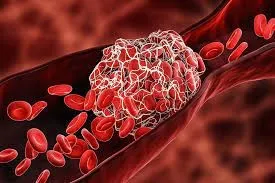 Coagulation
: INR, aPTT and D-dimers
The system that stops you bleeding and the one that stops you clotting, measured in a single draw.
5 min
Learn more
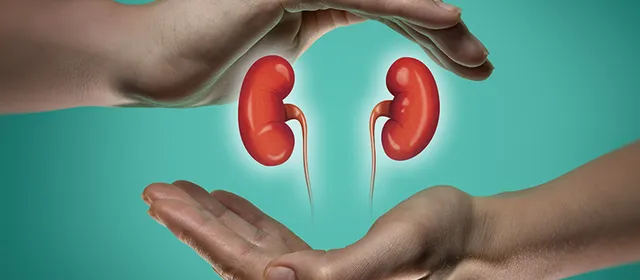 Biochemistry
Blood creatinine and glomerular filtration rate (eGFR)
The kidney does not complain. Creatinine and eGFR let you watch it long before symptoms appear.
5 min
Learn more
 Nutrition & metabolism
Vitamin D (25-OH) and calcium metabolism
The most requested test in the country — and the most over-interpreted. Here is how to read it calmly.
5 min
Learn more