
Nutrition & metabolism
Vitamin D (25-OH) and calcium metabolism
The most requested test in the country — and the most over-interpreted. Here is how to read it calmly.
Updated on May 15, 2025
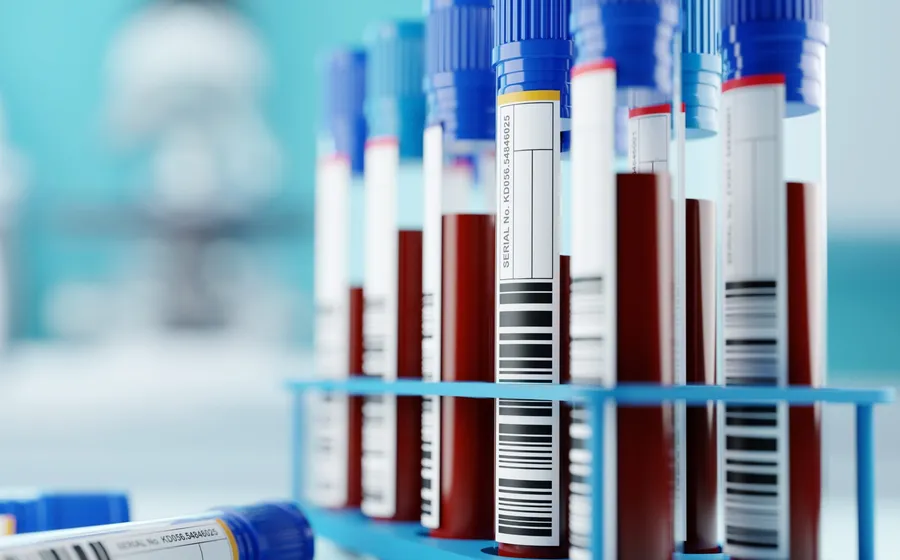
What is this test for?
The measured form is 25-hydroxyvitamin D (25-OH-D), the blood reservoir, which reflects sun exposure, diet and supplements. The active form, 1,25-(OH)₂-D, is only measured in very specific situations (kidney failure, rare rickets).
Calcium, phosphate, parathyroid hormone (PTH) and alkaline phosphatase complete the picture: they show whether the deficiency has already unbalanced the bone.
When does your doctor prescribe it?
Unexplained bone and muscle pain, a fracture after minor trauma, known or suspected osteoporosis, rickets or osteomalacia, bariatric surgery, inflammatory bowel disease, kidney failure, treatment with anticonvulsants or corticosteroids, pregnancy, extreme prematurity, or an older person living at home with a hip fracture.
INAMI reimbursement of 25-OH-D is regulated: the doctor must tick a valid indication on the request form. The laboratory is required to verify it.
How to prepare
No fasting. The test is more informative at the end of winter (February–March), at the low point of the season: that is when deficiency is most visible.
Report the exact dose and duration of any supplementation: a recent high dose raises 25-OH-D without reflecting the true state of the reserves.
Reading your results
In Belgium, caution is warranted with very low figures: a level of 20 ng/mL is not a disease, and routine high-dose supplementation has not shown benefit in healthy adults. The values below are laboratory benchmarks, not prescriptions.
| 25-OH-D | Usual interpretation |
|---|---|
| < 10 ng/mL (25 nmol/L) | Frank deficiency, possible osteomalacia |
| 10 – 20 ng/mL | Moderate deficiency, the commonest in winter |
| 20 – 30 ng/mL | Relative insufficiency — discuss in context |
| 30 – 60 ng/mL | Usual range |
| > 100 ng/mL | Excess — check supplementation and calcium |
Related tests
 Biochemistry
Blood creatinine and glomerular filtration rate (eGFR)
The kidney does not complain. Creatinine and eGFR let you watch it long before symptoms appear.
5 min
Learn more
 Haematology
Full blood count (FBC)
Red cells, white cells and platelets in a single sample: the first reflection of your general health.
5 min
Learn more
 Endocrinology
TSH and thyroid profile
The small compass of your metabolism: TSH reacts before symptoms become visible.
5 min
Learn more