
Microbiology
Urine test and culture
Dipstick, sediment, culture: urine says a great deal, provided you collect it cleanly.
Updated on March 16, 2026

What is this test for?
The urine dipstick detects leucocytes, nitrites, protein, glucose, blood and pH in one minute. It acts as a rapid filter: negative and symptom-free, it usually spares you a culture.
The urine culture goes further: a count of white and red cells, detection of bacteria, identification of the agent and an antibiogram — the list of antibiotics that reach it.
The most frequent uropathogens in Belgium remain Escherichia coli (70 – 75 % of community cystitis), then Staphylococcus saprophyticus, Klebsiella and Proteus. Resistance of E. coli to fluoroquinolones is monitored continuously.
How to collect the sample
Collection is the decisive point: a badly filled pot gives a false result. The laboratory gives you a sterile pot and an instruction sheet.
Collect the morning urine, after washing the genitals with water and soap and rinsing thoroughly. Discard the first stream, collect the midstream in the pot (about 10 mL), close it immediately.
Bring the pot to the centre within the hour. Beyond that, bacteria multiply and distort the count. Refrigerate it if you cannot come sooner; never leave it at room temperature.
Avoid collecting during menstruation and after unprotected sex, and do not open the pot outside.
Reading your results
A culture only makes sense with symptoms. Bacteriuria without symptoms in a non-pregnant woman is not treated: treating it would create resistance with no benefit.
In pregnancy, however, asymptomatic bacteriuria is screened for and treated, because it threatens the pregnancy.
| Parameter | Suggesting infection |
|---|---|
| Leucocytes | > 10 000 / mL |
| Nitrites | Positive |
| Bacteria | > 10⁵ CFU/mL (with symptoms) |
| Blood | Traces possible, cross-check with the sediment |
Related tests
 Biochemistry
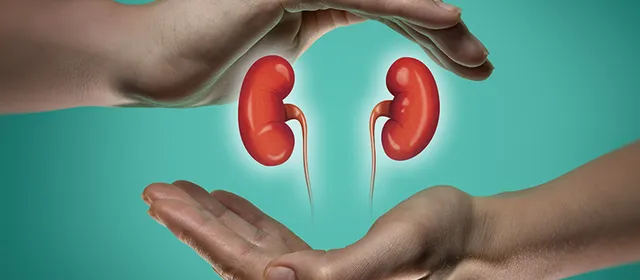
Blood creatinine and glomerular filtration rate (eGFR)
The kidney does not complain. Creatinine and eGFR let you watch it long before symptoms appear.
5 min
Learn more
 Haematology
Full blood count (FBC)
Red cells, white cells and platelets in a single sample: the first reflection of your general health.
5 min
Learn more
 Coagulation
: INR, aPTT and D-dimers
The system that stops you bleeding and the one that stops you clotting, measured in a single draw.
5 min
Learn more