
Biochemistry
Electrolytes (sodium, potassium, chloride)
The minerals that drive hydration, heart rhythm and the body’s acid balance.
Updated on October 9, 2025
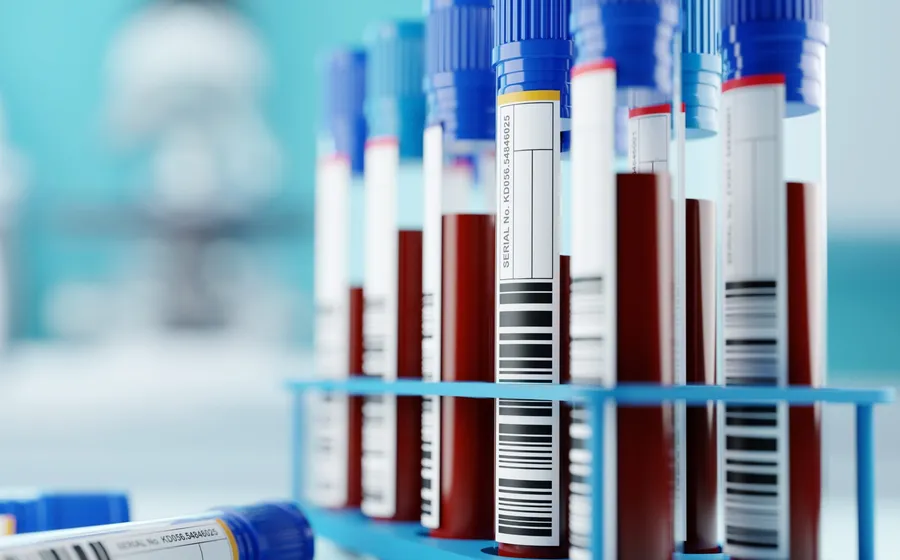
What is this test for?
Sodium regulates the amount of water in the body, potassium drives the contraction of heart and muscle, chloride and bicarbonate maintain the acid balance. Measuring these ions together is the electrolyte panel.
It is a monitoring test: it is requested routinely when kidney function is impaired, and as soon as a treatment acts on these balances.
- Treatment with a diuretic, ACE inhibitor, sartan, spironolactone.
- Kidney failure, dialysis.
- Vomiting, prolonged diarrhoea, dehydration.
- High blood pressure, especially when young or resistant.
How to prepare
Fasting is not compulsory, but the draw reads better in the morning, before the first meal. Avoid intense effort the day before: it raises potassium.
A tourniquet left on too long, and a clenched fist, artificially raise potassium. Our nurses know this and release the hand.
Reading your results
A potassium outside the range is a result your doctor needs to see promptly, especially under kidney or cardiac treatment.
| Ion | Usual reference values |
|---|---|
| Sodium | 135 – 145 mmol/L |
| Potassium | 3.5 – 4.5 mmol/L |
| Chloride | 96 – 106 mmol/L |
| Bicarbonate | 22 – 28 mmol/L |
Related tests
 Biochemistry
Blood creatinine and glomerular filtration rate (eGFR)
The kidney does not complain. Creatinine and eGFR let you watch it long before symptoms appear.
5 min
Learn more
BiochemistryCalcium and phosphate
Calcium and phosphate: the minerals of bone, driven by the parathyroid and by vitamin D.
5 min
Learn more
 Biochemistry
Urine albumin-to-creatinine ratio
The test that detects early kidney damage, years before the blood creatinine moves.
5 min
Learn more