
Endocrinology
Cortisol
The stress hormone, where the time of the draw matters as much as the number itself.
Updated on September 11, 2025
What is this test for?
Cortisol is made by the adrenals on command from the pituitary. It regulates blood sugar, blood pressure, inflammation and energy. Its level follows a rhythm: very high on waking, almost nil at midnight.
That is why the time of the draw is part of the result. A cortisol at 8 a.m. and a cortisol at midnight are not read on the same scale.
- Abdominal weight gain, purple stretch marks, round face: Cushing syndrome.
- Extreme fatigue, low blood pressure, tanned skin, weight loss: adrenal insufficiency.
- Early osteoporosis, poorly controlled diabetes, long-term corticosteroids.
- Control after surgical treatment of the pituitary.
How to prepare
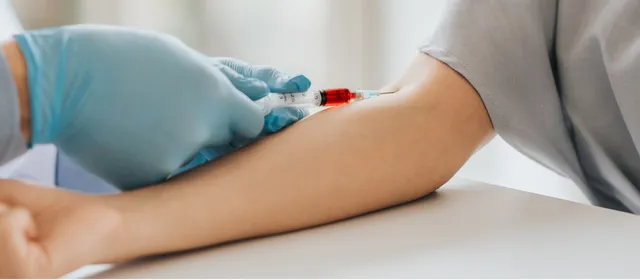
The draw is set at the prescribed hour, usually 8 a.m., after 30 minutes lying down: the stress of the waiting room raises cortisol.
The 24-hour urine requires a complete collection, kept cool. Midnight salivary cortisol is collected at home, before bed.
Reading your results
Corticosteroid treatment, even as a cream or an inhaler, distorts the measurement. Report every medication, including contraceptives, which raise the cortisol carrier protein.
| Sample | Usual reference values |
|---|---|
| Blood cortisol at 8 a.m. | 60 – 210 µg/L (165 – 580 nmol/L) |
| Blood cortisol at midnight | < 50 µg/L |
| 24-hour urinary cortisol | < 50 µg/24 h |
| Midnight salivary cortisol | < 25 ng/mL |
Related tests
 Endocrinology
TSH and thyroid profile
The small compass of your metabolism: TSH reacts before symptoms become visible.
5 min
Learn more
 Endocrinology
Testosterone
A hormone to be measured in the morning: the level moves with the hour, with sleep and with the season.
5 min
Learn more
 Biochemistry
Fasting blood glucose
The sugar level in your blood on waking: the first step towards a diabetes diagnosis, ahead of glycated haemoglobin.
5 min
Learn more